
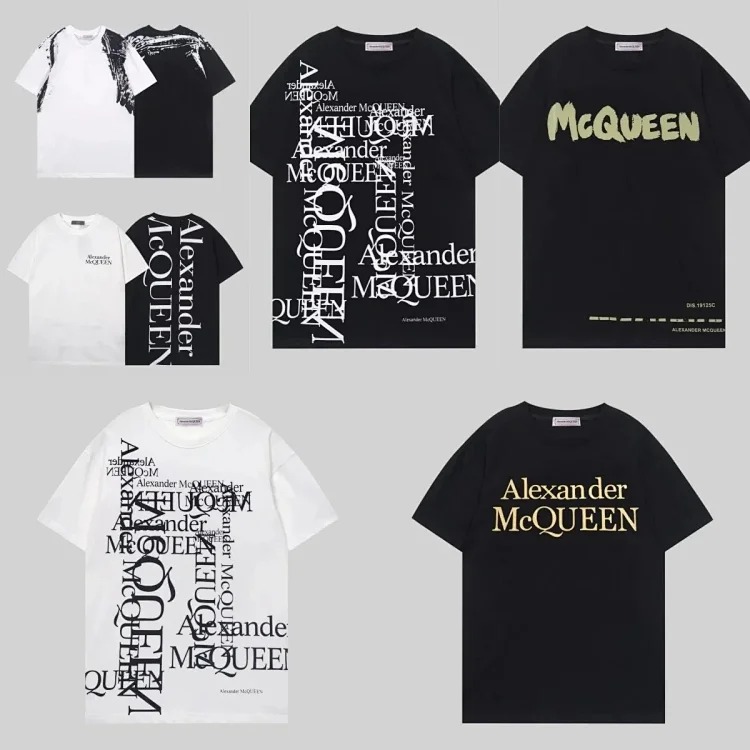
Researching Joyagoo OutfitReps links works best when the two resources are treated as different parts of one careful shopping workflow. A Joyagoo directory or guide helps you discover and organize possible finds, while an Outfitreps detail page gives you a product-specific destination to inspect. Neither page should be used as a substitute for checking the current listing. Product pages can move, images can change, variants can disappear, and a title alone rarely answers questions about measurements, materials, or the route needed to place an order.
This comparison explains how to move from a broad Joyagoo research view to a specific Outfitreps product page without losing the context that matters. The goal is not to promise that a product will meet a particular expectation. It is to create a repeatable process: confirm that the link is live, compare visible details, record uncertainties, review QC images when they become available, and decide whether the agent route and parcel plan still make sense.
Joyagoo discovery links and Outfitreps detail links serve different jobs
A directory is useful because it reduces a large catalog into manageable groups. You can start with tops, hoodies, shoes, trousers, jackets, sweaters, hats, or bags and build a shortlist around an actual need. A directory card may show a representative image and a short label, but it is an entry point rather than a complete product record. The linked Outfitreps page is where you should confirm that the category, title, image set, and available information still describe the item you intended to research.
That difference matters when several listings look similar. Saving only a screenshot can detach an item from its current URL. Saving only a URL can leave you without a reminder of why you selected it. A stronger research note keeps both: the canonical product link and a short description in your own words. Add the date checked, category, visible color or silhouette, questions about size, and any detail that would help you distinguish the page from another candidate.
Use the Joyagoo Best Links Directory for broad navigation, then open the relevant product detail page in a separate tab. Confirm that the browser address matches the link you saved and that the page loads normally. If a redirect lands on a general category or an error page, do not assume the old product is still represented. Return to the Joyagoo guides archive or category directory and locate a current alternative.
Check a product link before comparing the find
Begin every review with the simplest evidence: the page must return successfully and display a product rather than a 404, blank template, or unrelated category. Read the full URL because category paths can help reveal accidental mismatches. Then compare the listing title with the main images. A vague or translated title is not automatically a problem, but it means the visual and specification checks need to be more deliberate.
Scan all available images instead of relying on the first thumbnail. Look for consistent color, shape, trim, closures, pocket placement, sole profile, or bag structure. Note whether different images appear to show different versions. If the page contains selectable options, record the exact color and size you are evaluating. Do not infer that a photograph proves composition, authenticity, durability, or final condition. Images are research evidence, not a guarantee.
For an efficient link check, keep a small status field in your shortlist: live and relevant, live but unclear, redirected, or unavailable. “Live but unclear” is useful when a page loads yet lacks the measurements or variant details needed for a decision. This keeps uncertain products out of the ready-to-order group without deleting potentially useful research. Recheck any saved link shortly before using it, because a successful check from an earlier date does not confirm its present state.
Compare QC images with the listing, not with expectations
QC photographs should be used to compare the received warehouse item with the product page and the selected variant. Start with count and identity: is the expected item present, and does its general category, color family, and design align with the order note? Next inspect the whole silhouette. For clothing, look at collar shape, sleeve length relative to the body, seams, hems, print position, and obvious asymmetry. For shoes, compare both sides, toe shape, outsole edges, heel alignment, and the size label. For bags, check the front, back, base, strap, hardware, and interior when those views are available.
Ask for useful evidence rather than a prettier photograph. A close-up is appropriate when a logo, graphic, stitch line, label, zipper, or surface mark cannot be evaluated in the standard set. A ruler view is more useful than visual guessing when dimensions matter. Keep the question specific: identify the area and the measurement or angle needed. This makes the result easier to compare against the listing and your notes.
Lighting can shift apparent colors, wide-angle lenses can distort proportions, and folded garments can hide construction. Treat a single ambiguous frame as a reason to gather better evidence, not as proof of a defect. The Joyagoo QC checklist provides a fuller sequence for reviewing warehouse photos before a shipping decision.
Use measurements to compare sizes across unrelated listings
Size labels are weak comparison points because two pages using the same letter or number may follow different measurement systems. For a T-shirt, hoodie, jacket, or sweater, compare chest width, shoulder width, body length, and sleeve length with a garment that fits you well. Lay your reference garment flat and measure it consistently. For trousers, compare waist, rise, inseam, thigh, and leg opening. For shoes, prioritize the relevant foot or insole measurement when it is provided and consider the type of socks you expect to wear.
Accessories need measurements too. A messenger bag can look large in a close crop while offering limited usable space. Record width, height, depth, strap range, and the size of the object you need it to carry. For hats, look for circumference or an adjustable range. If a product page does not provide enough information, mark the size as unresolved. Do not convert an uncertain chart into a confident recommendation.
Keep units beside every number and note whether a value came from the listing, a warehouse ruler photo, or your own reference item. Small differences can come from measuring method, fabric behavior, or production variation, so measurements should guide a decision rather than imply perfect precision. The objective is a documented comparison that you can explain later.
Decide the agent route before building a parcel
A working Outfitreps link does not by itself confirm that every purchasing route can process the underlying item. Before committing to a shortlist, check what information the chosen agent requires, whether the source link can be entered, and whether there are restrictions affecting the item or destination. Keep the product URL, selected variant, quantity, and any essential note together. Avoid adding unsupported claims or complicated requests that cannot be verified from the listing.
Once warehouse evidence is available, separate product review from shipping preparation. First decide whether the item shown is the one you intended to order and whether any measurable concern needs clarification. Only then consider how it fits into a parcel. The Joyagoo agent route guide explains the handoff from link research to warehouse and shipping decisions in more detail.
Route availability, carrier rules, declarations, and destination requirements can change. Check the current information supplied by the agent and carrier rather than relying on an old article or community comment. If an item is restricted or the route is unavailable, pause and select an appropriate alternative. Research links help organize options; they do not override current shipping rules.
Prepare parcel and shipping notes without making promises
Parcel planning begins with practical characteristics: product category, quantity, estimated bulk, fragility, and whether packaging serves a protective purpose. Shoes, structured bags, and hats may need shape protection, while soft clothing can often be packed more compactly. Removing packaging can reduce bulk in some cases but may also reduce protection. Decide based on the item and the available service options, not on a universal rule.
Create a final note that lists the products approved for consolidation and any unresolved issue. Reconfirm the destination address, contact details, route eligibility, parcel photos or measurements if offered, and the current terms shown during shipment setup. Do not treat estimates as guaranteed arrival dates or costs. Customs handling, inspections, carrier events, weather, and destination procedures can affect a parcel after dispatch.
The most reliable Joyagoo OutfitReps links workflow is therefore a chain of evidence: discover, verify, compare, measure, review QC, confirm the agent route, and prepare the parcel. If one step is unclear, keep the product in research status instead of forcing a decision. A concise record of what you checked is more valuable than a long collection of unlabeled links, and it makes future updates much easier when a product page changes.
Current product links to review
These Outfitreps examples are live references. Recheck product details, variants, measurements, and availability before making a decision.
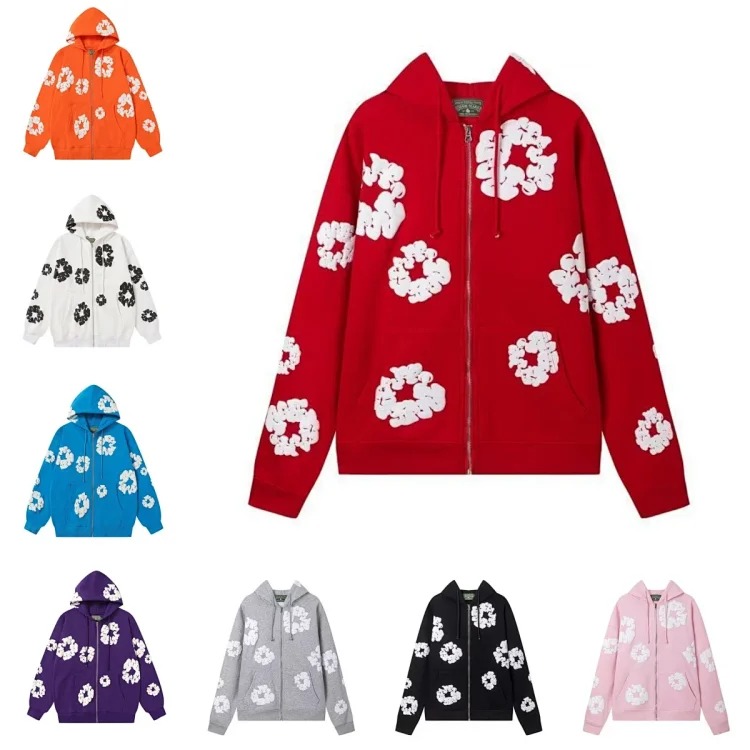
Trendy simple and versatile hoodie 34
View this product on Outfitreps →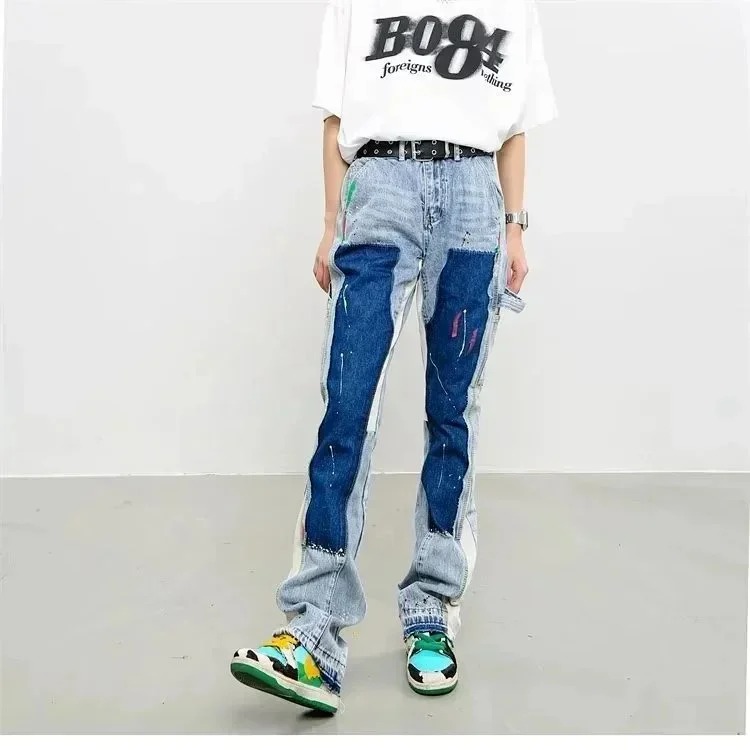
Self-operated 20250328
View this product on Outfitreps →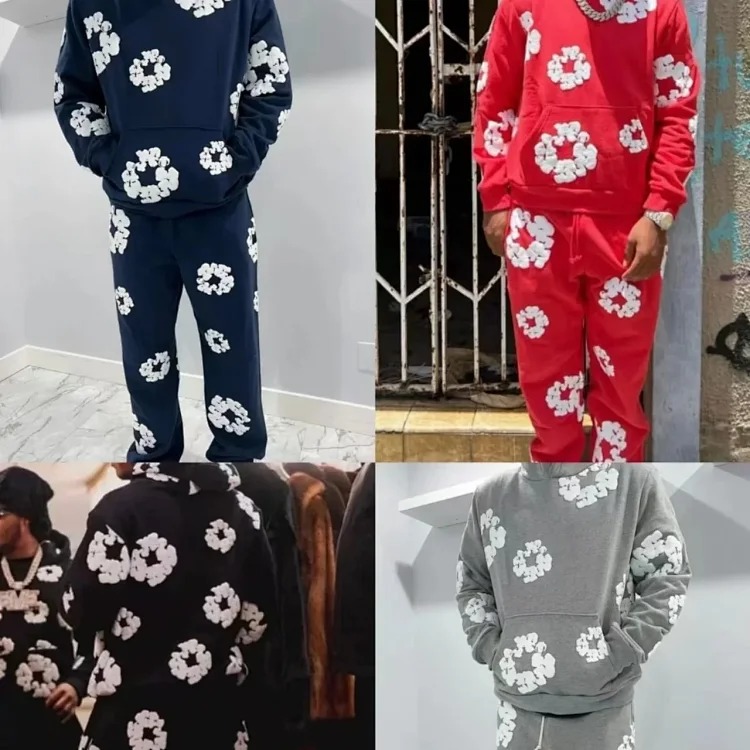
Casual DTJacket/Jeans'DGBatch'
View this product on Outfitreps →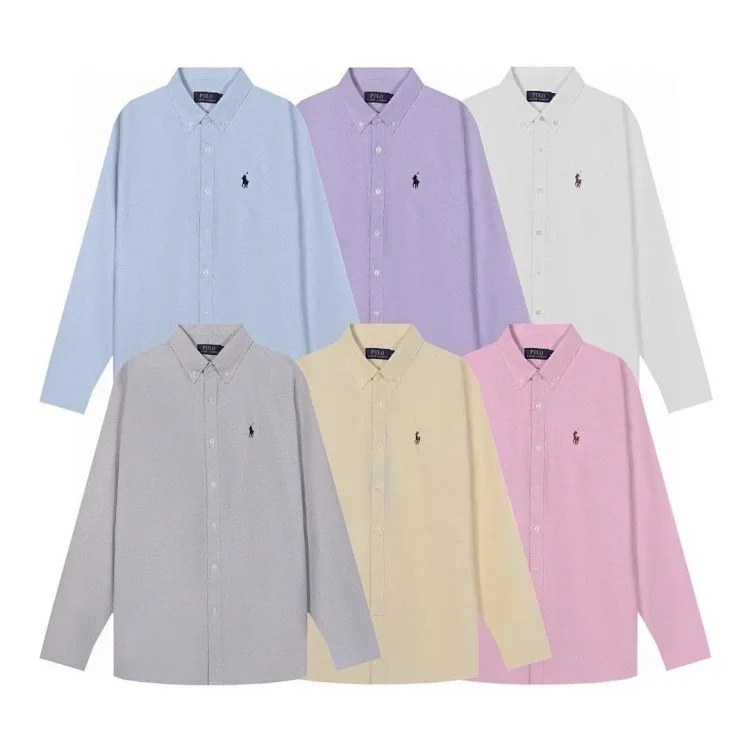
Shirt jacket Ralph Lauren
View this product on Outfitreps →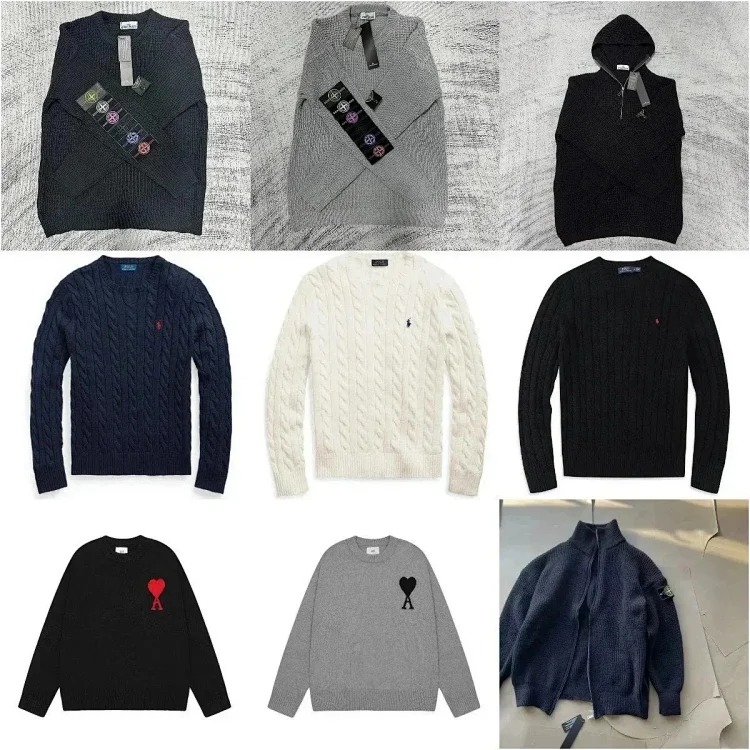
Autumn and winter fashionable versatile sweaters and sweaters 07HW
View this product on Outfitreps →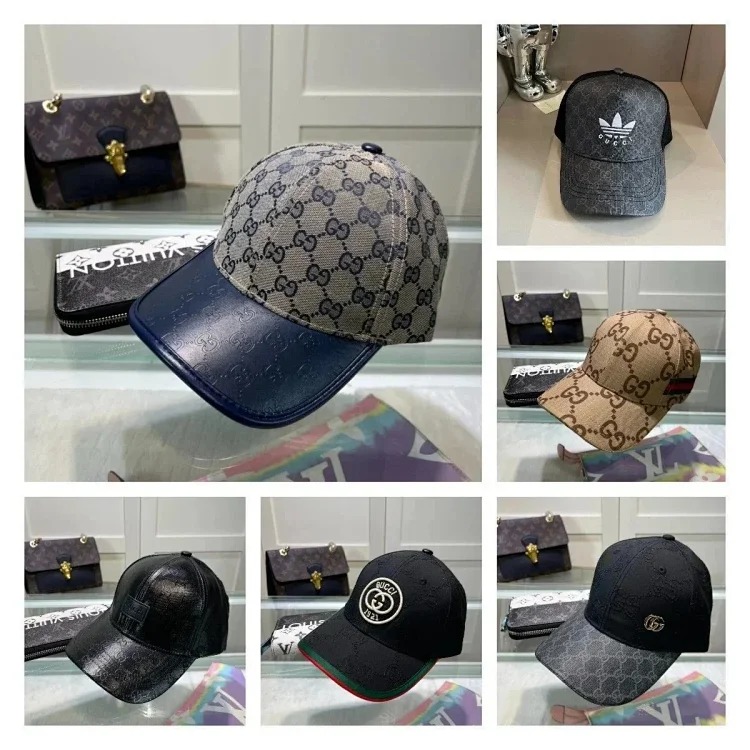
Fashionable and versatile trendy baseball cap 017 spreadsheet.help
View this product on Outfitreps →