
Define the Joyagoo agent route before choosing products
A practical Joyagoo agent route begins with the destination and the buying process, not with a random product link. International buyers should first write down the delivery country, the types of products they are researching, expected parcel size, and any route restrictions that may affect those categories. This creates a filter for product research and prevents a shortlist from being built around items that cannot move through the intended workflow.
Confirm that the selected agent currently supports the source page and can import the direct product URL. Review how the agent displays the title, main image, variants, domestic shipping information, quantity, and seller notes. An imported card is a convenience, not a replacement for the original page. Keep the direct link in your records and compare it with the imported order before payment. If the title or image does not match, pause and correct the order details instead of assuming the system selected the right item.
Use a simple route worksheet with columns for product URL, category, selected color, size, quantity, date checked, agent order number, warehouse status, estimated or measured weight, QC result, and final shipping route. This record makes changes visible. It also helps separate product research from logistics decisions, which should happen at different points in the process.
Verify every link and variant at the order stage
Open each product detail page immediately before creating the agent order. Confirm that it returns the expected item rather than an error, category page, or unrelated replacement listing. Compare the title, photos, category, and visible options with the saved research note. Product pages can move or change, so a link that worked earlier should not be treated as permanent evidence.
Write the selected variant in plain language when the agent interface permits order notes. Include color, size, model, or other distinguishing information, but do not add unsupported assumptions. If the page uses a translated or abbreviated title, use visible option labels and screenshots only as supporting records. The direct URL, selected option, and order line should agree before payment.
Size decisions require comparable measurements. For clothing, compare a listing chart with a flat garment you already own. Note chest width, shoulder, body length, sleeve, waistband, rise, inseam, or leg opening as relevant. For shoes, confirm the labeled size system and any internal-length evidence available. For bags, review width, height, depth, opening, and strap range. Do not select a larger size automatically when the actual measurement differences are unknown.
- Reopen the direct product page before ordering.
- Save the chosen variant and measurement basis.
- Check that the agent import matches the source page.
- Keep unrelated or uncertain products out of the active order list.
Use warehouse QC to confirm the route can continue
Arrival at the warehouse is a decision point, not an automatic approval. Start QC by confirming identity: correct product type, color, size label, quantity, major design features, and order number. Then review front, back, sides, and relevant close details. A general resemblance is not enough when a closure, pocket, graphic, sole, strap, or hardware detail was part of the original choice.
Inspect visible condition in a consistent order. Look for stains, holes, damaged components, incomplete seams, distorted prints, mismatched panels, or an obviously incorrect variant. Remember that lighting and folds can create uncertainty. If one issue could change the approval decision, request a targeted photo showing that area clearly rather than many unfocused images.
Request measurements when fit or capacity is critical. The tape should begin and end at the same construction points used in the seller chart and your reference garment. Allow for a reasonable tolerance, but treat a material mismatch as a question to resolve before parcel submission. If a return or exchange is needed, follow the agent's current policy and timing instead of assuming an old process still applies.
Plan the parcel with current weight and route rules
After products pass QC, review the parcel as a whole. Measured weight, dimensions, packaging, and product mix can change the suitable route. A hoodie may add volume, shoes with boxes can increase dimensional weight, and structured bags may need protection that limits compression. Do not choose international shipping from product price or scale weight alone.
Compare only routes currently offered for the destination and parcel. Review size limits, volumetric calculation method, product restrictions, tracking, declaration features, available protection options, and packaging services. Costs and delivery estimates are live information, not guarantees. Save the date and conditions used for the choice, and avoid presenting an earlier parcel result as proof of a future outcome.
Consider packaging trade-offs item by item. Removing retail packaging may reduce volume, but it can also reduce protection. Compression may suit some soft garments while being inappropriate for shoes, hardware, structured bags, or delicate finishes. Write each request clearly and check that it applies to the correct order line. When uncertainty remains, prioritize preventing damage over achieving a speculative saving.
Complete a final international shipping review
Before submitting the parcel, verify the recipient name, address format, postal code, phone number if required, destination country, parcel contents, quantity, route, declaration information, and packaging instructions. Compare the warehouse item list with your worksheet so no unapproved or duplicate order enters the shipment. Confirm that every QC concern has a recorded resolution.
Keep product and logistics evidence together: direct links, order records, warehouse photos, measurement notes, weight, selected route, tracking details, and the date of each decision. If a product link later stops working, the order record remains useful, while a current replacement link can be labeled as a research reference rather than the original listing.
International buyers should also review the agent's current terms and destination-specific requirements. This guide does not promise customs treatment, delivery time, product availability, or a particular service outcome. The purpose of a route plan is to reduce avoidable mistakes by making each step visible and verifiable.
For repeat orders, review the worksheet again instead of copying the previous settings. A seller may update variants, the warehouse may measure a new batch differently, and the agent may change available routes. Rechecking the source page, variant, QC evidence, and parcel conditions keeps a familiar workflow from becoming an automatic assumption. It also creates a cleaner record if customer support later needs the order number, product link, or photo evidence.
The final rule is to pause whenever a critical fact is missing. A clear product link, correct variant, acceptable QC, measured parcel data, and eligible route should all be present before international submission. Following that sequence turns Joyagoo product research into a controlled workflow rather than a chain of assumptions.
Current product links to review
These Outfitreps examples are live references. Recheck product details, variants, measurements, and availability before making a decision.
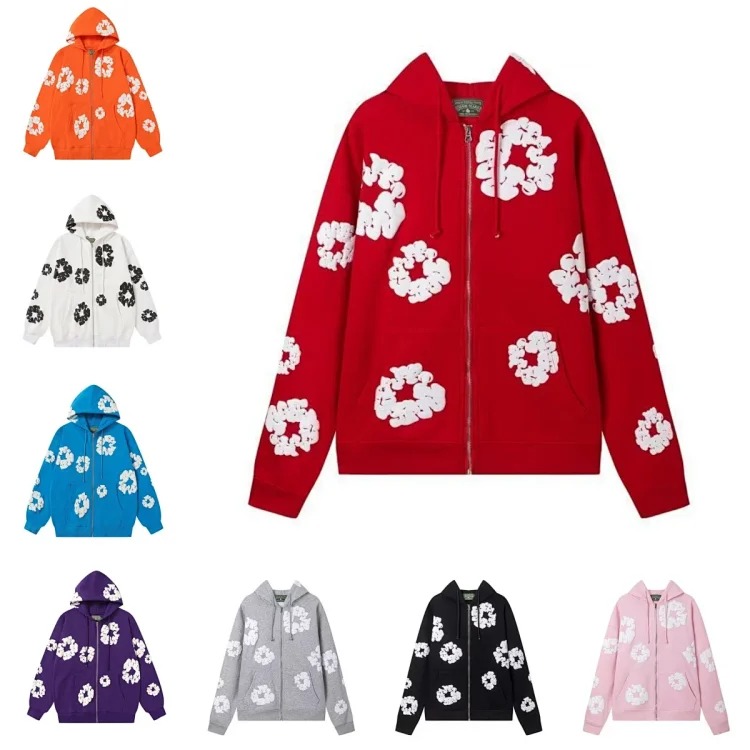
Trendy simple and versatile hoodie 34
View this product on Outfitreps →
Self-operated 20250328
View this product on Outfitreps →
Casual DTJacket/Jeans'DGBatch'
View this product on Outfitreps →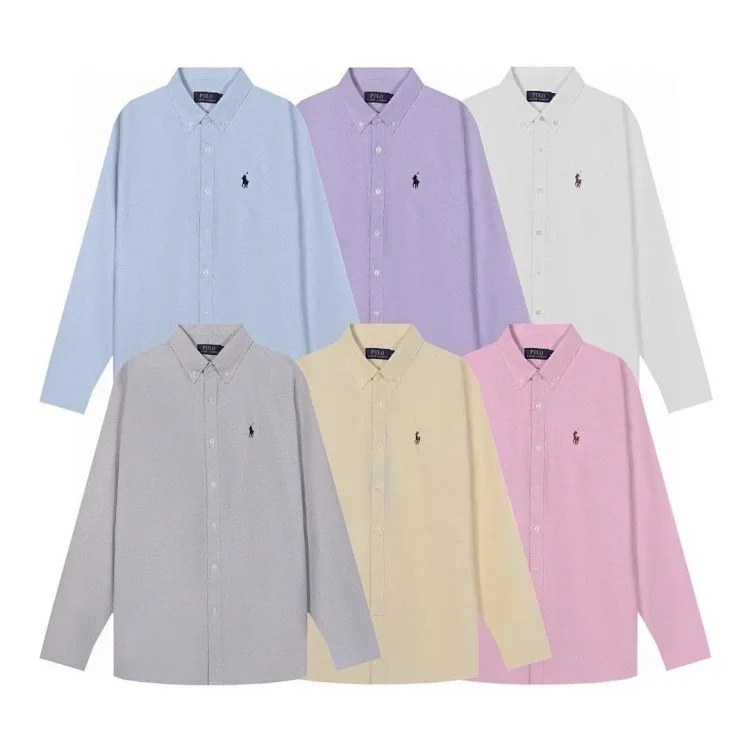
Shirt jacket Ralph Lauren
View this product on Outfitreps →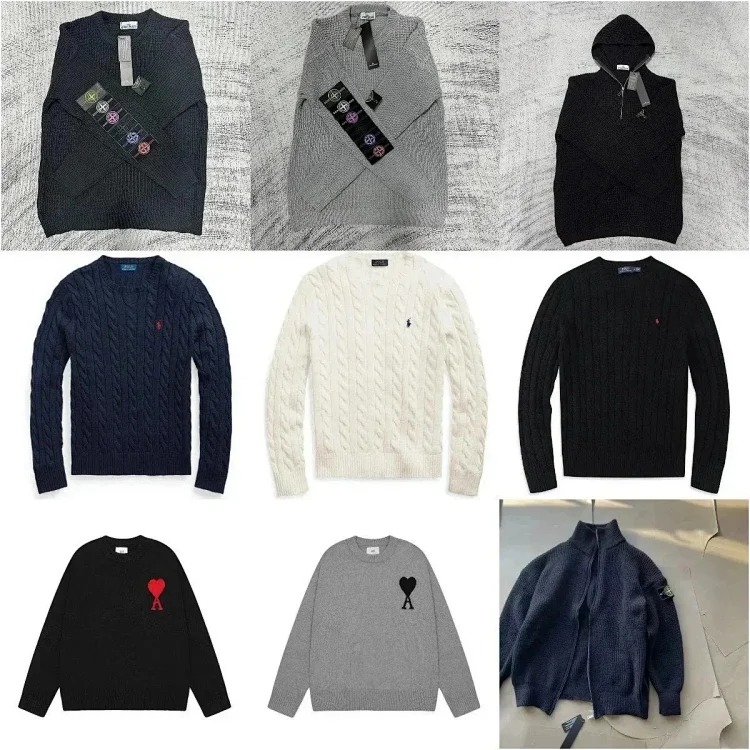
Autumn and winter fashionable versatile sweaters and sweaters 07HW
View this product on Outfitreps →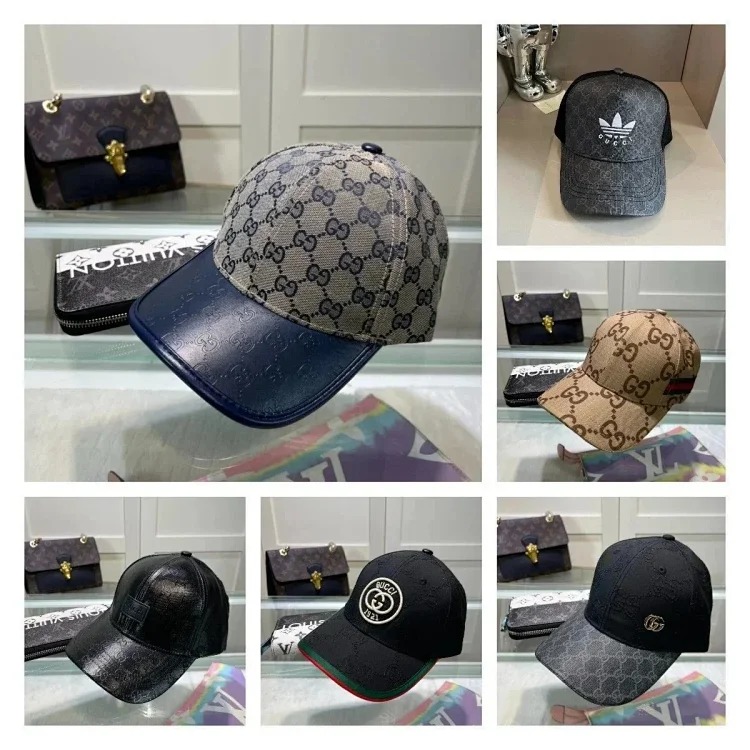
Fashionable and versatile trendy baseball cap 017 spreadsheet.help
View this product on Outfitreps →