Build a Joyagoo QC guide around the exact order record
A useful Joyagoo QC guide starts before the warehouse photos arrive. Save the exact product URL, listing title, selected variant, color, size, quantity, seller notes, and the measurements that supported the purchase decision. This order record becomes the reference for every later check. Without it, a buyer may approve an item simply because it looks generally similar, even when the warehouse received the wrong color, construction, or size.
Open the saved detail link again when the item reaches the warehouse. Confirm that it still returns the expected product rather than a category page, error, or replaced listing. Compare the current title and main image with the order record. If the listing changed, use the saved information and order details as evidence, but mark the link change in your notes. A changed page does not automatically mean the warehouse item is wrong; it means the decision needs stronger comparison evidence.
Create a short checklist for the specific product type. A T-shirt needs print placement, collar, sleeve, hem, and body measurements checked. A hoodie adds hood construction, drawcord, pocket, cuffs, and waistband. Shoes require left-right matching, outsole, upper panels, size labels, and visible shape. Bags need strap hardware, closures, pockets, lining, and dimensions. The same photo set cannot answer every category's important questions.
Read warehouse photos in a fixed sequence
Begin with identity before condition. In the first pass, verify category, color, size label, quantity, and major design features. Compare front and back views with the researched page. Check whether a garment is pullover or zip-front, whether pants use the expected leg shape, or whether a bag has the right strap and closure. If identity is uncertain, stop and clarify it before spending time on minor stitching.
In the second pass, review construction and visible condition. Follow a consistent path from top to bottom and left to right so details are not skipped. Look at collars, hoods, shoulder seams, sleeves, cuffs, graphics, pockets, zippers, buttons, hems, outsoles, straps, and hardware as appropriate. Watch for stains, holes, broken components, obvious asymmetry, incomplete seams, mismatched panels, distorted prints, or a visibly incorrect variant.
Separate evidence from interpretation. Lighting can alter color, camera perspective can change apparent proportions, and folds can make a straight seam look uneven. A low-resolution image may be inconclusive rather than defective. When one point affects approval, request one targeted photo showing that exact area under clearer lighting or from a better angle. Focused requests produce more useful evidence than asking for many general images.
- Confirm the item and variant first.
- Review the whole front and back before close details.
- Record each concern with a location and reason.
- Ask for targeted evidence only when it could change the decision.
Verify measurements and sizing with comparable methods
Warehouse measurements are valuable only when the measurement method matches the method used during selection. For clothing, compare flat garment dimensions with a similar garment you own. Common checks include chest width, shoulder width, body length, sleeve length, waistband, rise, thigh, inseam, and leg opening. Do not compare a flat width directly with a body circumference. If conversion is needed, write it down so the comparison remains transparent.
Ask that the tape begin and end at clear construction points. Shoulder and sleeve measurements can differ on raglan, drop-shoulder, and set-in designs, so use the listing diagram when available. For shoes, confirm the labeled size and, when the decision depends on it, an insole or internal length measured consistently. For bags and accessories, check width, height, depth, strap range, and any opening that must fit a particular object.
Allow for a reasonable measurement tolerance, but do not use tolerance to dismiss a large difference. Decide in advance which measurements are critical and what range is acceptable. A small sleeve difference may be manageable while a narrow chest, short inseam, or undersized opening may make the item unusable. If a critical measurement falls outside the planned range, pause parcel submission and review the available return, exchange, or clarification path under the agent's current rules.
Check seller details, link integrity, and agent records
QC photos should be connected to the correct order line. Compare the warehouse order number, product thumbnail, selected variant, quantity, and any message sent during ordering. If the agent imported incomplete information from the source link, make sure the written order note resolved the ambiguity. A photo of a correct-looking product is not enough if it cannot be reliably tied to the intended order.
Keep the direct product URL with the QC record. Links can move or expire, so add the date last checked and avoid relying on a temporary search or tracking URL. If a link returns an error, do not replace it with a random similar product merely to keep the spreadsheet complete. Find a current detail page in the same category, verify that its image and title match the intended reference, and clearly label it as a replacement research link rather than the original order page.
Seller text and photos can contain gaps or translations that need interpretation. Treat displayed claims as listing information, not independent guarantees. Do not infer fabric weight, material composition, authenticity, or production quality from a title alone. Use warehouse evidence to confirm visible attributes, measurements, and condition. If a decision depends on information that cannot be seen or measured, document the uncertainty instead of converting it into a confident claim.
Approve the parcel only after route and shipping review
Item approval and shipping approval are separate decisions. Once the product passes QC, confirm measured or estimated weight, packaging, parcel dimensions when available, destination, route restrictions, and the current options offered by the agent. A thick hoodie, shoes with boxes, or structured bag may affect volumetric weight and route eligibility differently from a light T-shirt. Review the whole parcel mix rather than judging each item in isolation.
Check current prohibited-item rules, size limits, declaration features, tracking, available protection options, and packaging services. Conditions can change, so do not copy a route decision from an old order without rechecking it. If removing retail packaging is optional, consider both space savings and protection. Do not request compression or removal automatically when hardware, shape, or delicate finishes could be affected.
Before final submission, complete one written review: correct order lines, approved photos, resolved defects, confirmed measurements, quantities, warehouse status, parcel contents, address, route, declaration information, and any packaging request. Save the final QC evidence and current product links. This record does not guarantee a particular delivery outcome, but it creates a disciplined process and makes later questions easier to investigate.
The practical rule is simple: approve only what the available evidence supports. If a photo, measurement, link, or route detail remains critical and unresolved, pause. A short delay for one clear answer is usually more useful than moving an uncertain item into international shipping, where correction options may become limited.
Current product links to review
These Outfitreps examples are live references. Recheck product details, variants, measurements, and availability before making a decision.
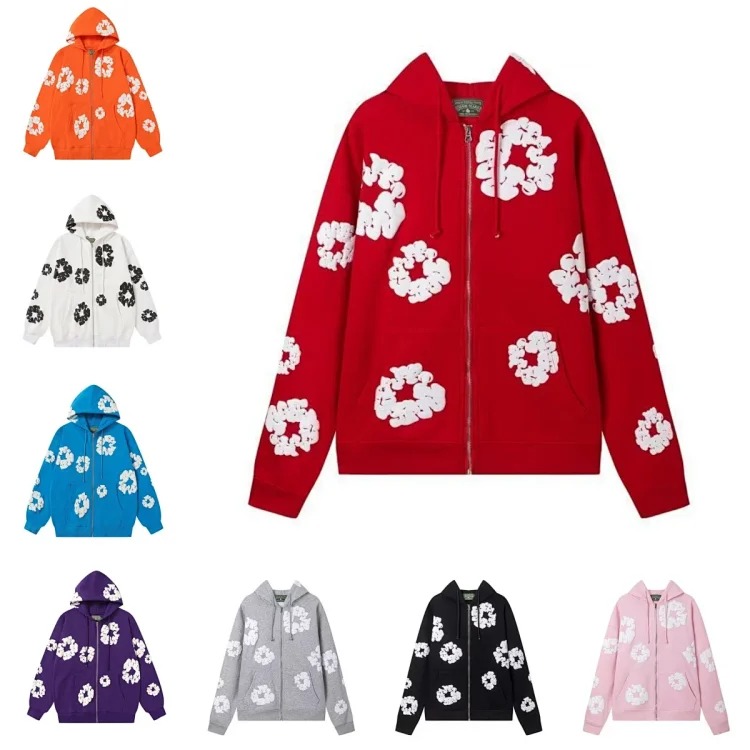
Trendy simple and versatile hoodie 34
View this product on Outfitreps →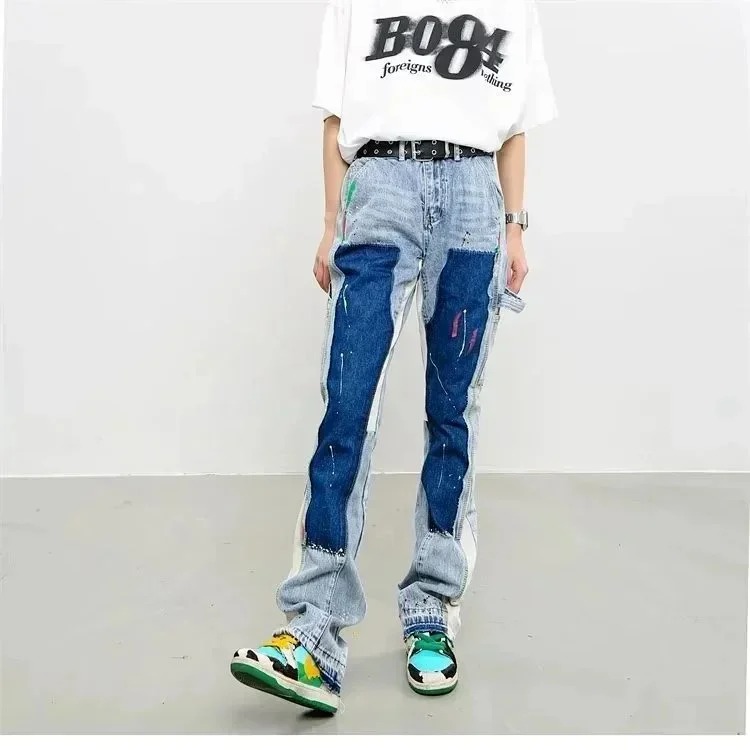
Self-operated 20250328
View this product on Outfitreps →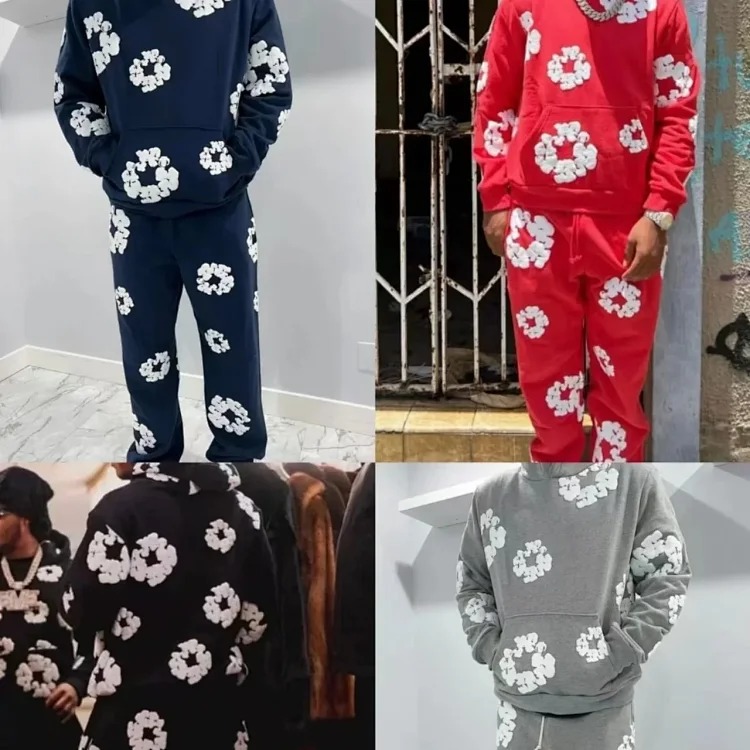
Casual DTJacket/Jeans'DGBatch'
View this product on Outfitreps →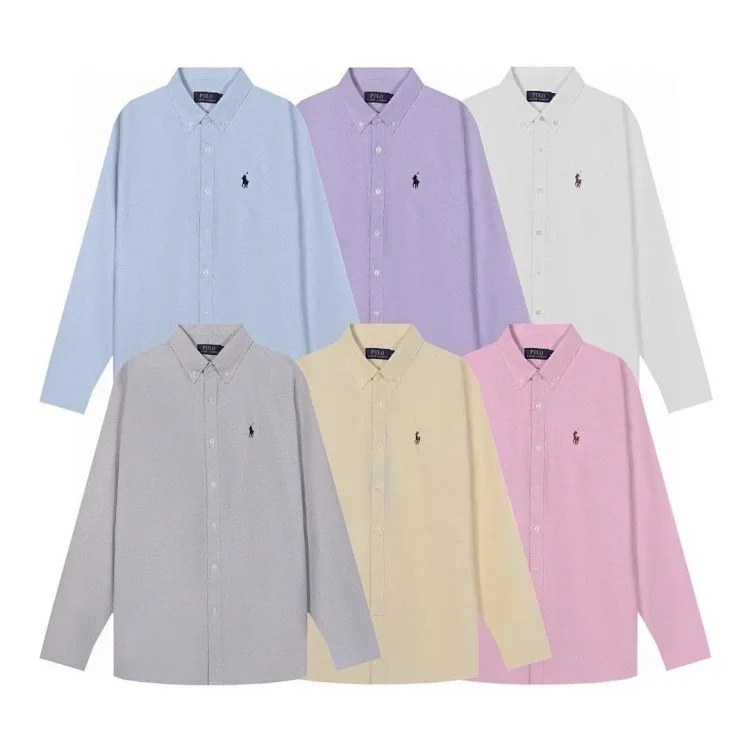
Shirt jacket Ralph Lauren
View this product on Outfitreps →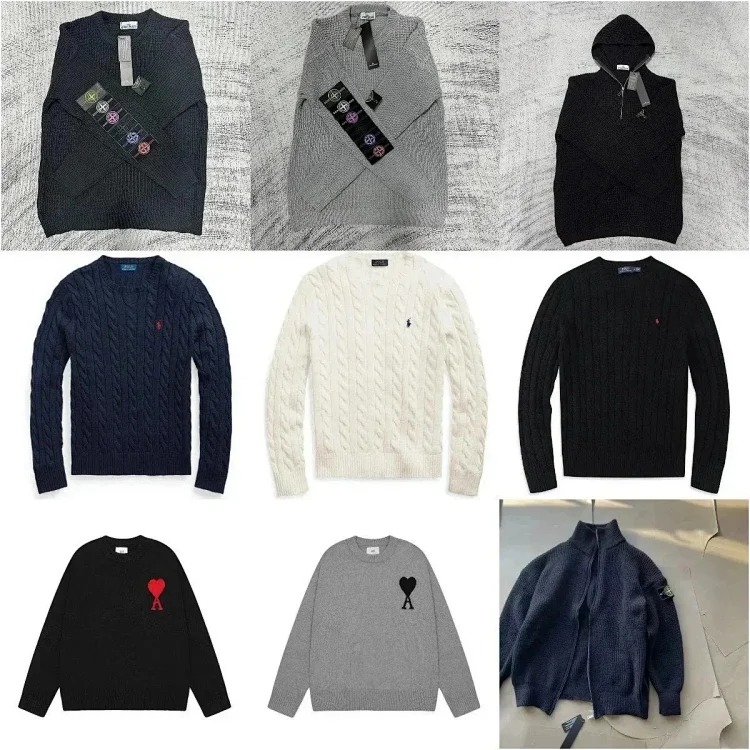
Autumn and winter fashionable versatile sweaters and sweaters 07HW
View this product on Outfitreps →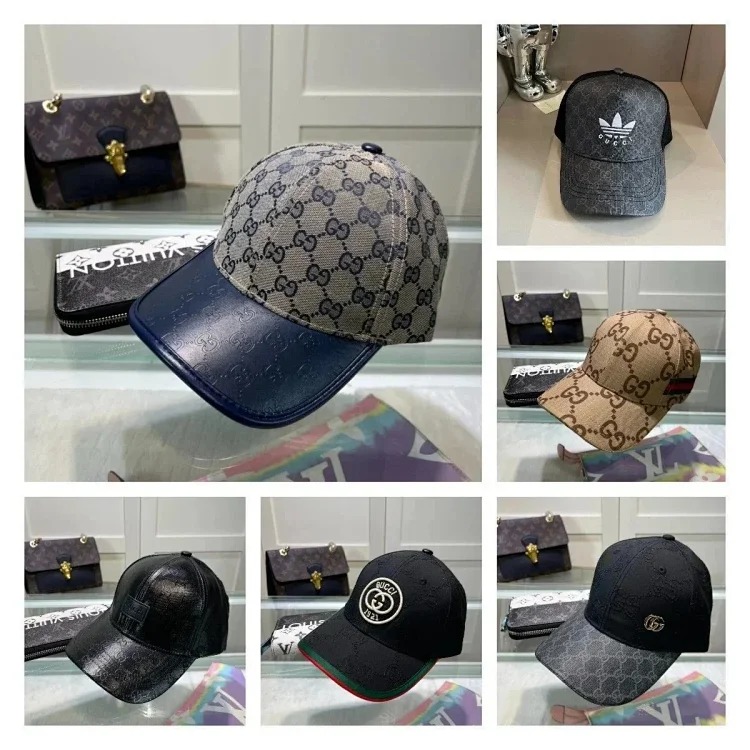
Fashionable and versatile trendy baseball cap 017 spreadsheet.help
View this product on Outfitreps →