
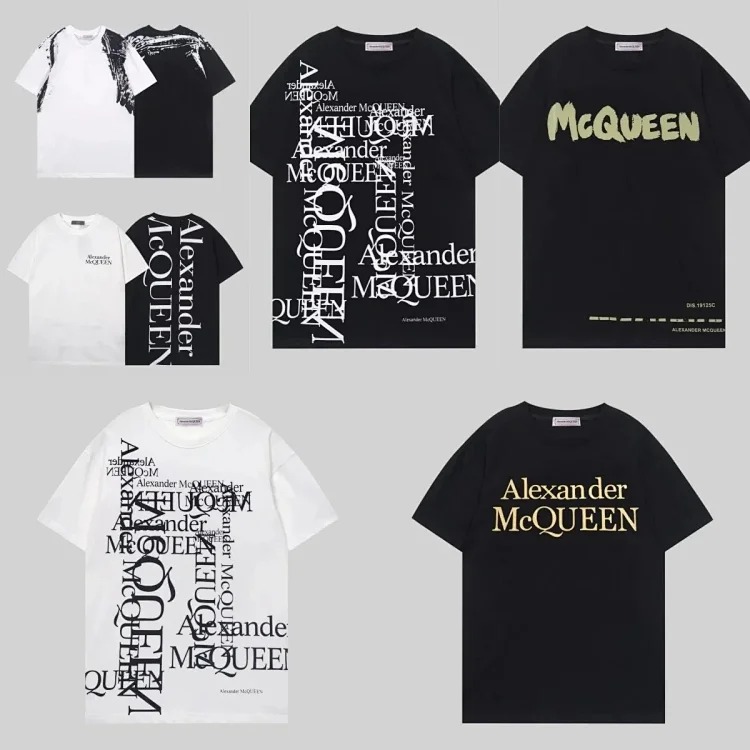
Joyagoo international buyers need a research process that keeps discovery, product checks, and shipping decisions separate. A useful link directory can help you find a category or compare candidate items, but it cannot answer every product-specific question. Before an order is considered ready, open the current detail page, confirm that it still describes the intended item, and keep a record of what you checked. This guide is about building that record and using it calmly when shopping across borders.
International shopping introduces more moving parts than a local checkout: product pages can change, measurements use different conventions, warehouse evidence arrives later than the initial listing, and shipping routes depend on the destination and current carrier rules. None of those steps needs a guess. A clear sequence makes uncertainty visible early, while a shortlist prevents your parcel from becoming a collection of forgotten tabs.
Begin with a purposeful international-buying shortlist
Start at the Joyagoo Best Links Directory with a specific need rather than an open-ended search. For example, decide whether you are looking for a daily top, a warm layer, footwear, trousers, or an accessory. Open only a manageable number of product pages and give every candidate a short note: category, visible color, selected variant, URL, date checked, and the reason it belongs on your list. This avoids comparing unrelated products from memory days later.
A saved product image is a reminder, not a replacement for its link. The detail URL is the point you must revisit before an order. If the page redirects to a broad category, shows an error, or has changed into an unrelated listing, mark it as unavailable and look for a current alternative. Keeping a status field such as “live and relevant,” “live but unclear,” “redirected,” or “unavailable” is more useful than silently deleting an old choice.
Use the Joyagoo guides archive for category and process references, then keep your own shortlist focused on actual products. A short list with notes is easier to validate than a large collection of unlabelled buy links.
Verify the listing before treating a link as a product option
First, check that the page loads as a product page and that its category path, title, main image, and visible options match the item you intended to inspect. Read beyond the first thumbnail. Product titles can be abbreviated or translated, so compare the overall silhouette, construction, closures, print placement, pockets, sole shape, straps, or hardware shown across all available images.
Then identify what the page does not tell you. A listing may be live but still lack a usable measurement chart, enough variant detail, or images that clearly distinguish colors. Record that uncertainty instead of filling it with assumptions. Do not infer material composition, authenticity, durability, included accessories, final warehouse condition, price, or delivery timing from a single photo or title.
Check again shortly before using a saved link. A successful visit from last week does not prove that the page or options are unchanged today. This small recheck is especially valuable when your order will pass through an agent route rather than a direct local checkout.
Compare product photos and QC evidence carefully
Initial listing images help you identify the intended design; QC photographs help you compare the received warehouse item with that selected listing. Begin with the broadest evidence: does the received item have the expected category, color family, general shape, and chosen variation? Move next to observable details. Clothing can be compared through collar construction, seams, sleeve and body proportions, hems, graphics, and pocket placement. Shoes benefit from views of both sides, the toe, heel, outsole, and size label. Bags should be checked from front, back, base, strap, hardware, and interior views when they are available.
Request evidence only when it resolves a real question. A close-up is appropriate for an unclear seam, graphic, label, fastening, or surface mark. A ruler photograph is useful when a dimension affects fit or parcel planning. Phrase the request around the location and measurement needed, rather than asking for a general “better photo.” That makes the result practical to compare against your saved note.
Lighting, lens angle, and folded fabric can change how a product looks. A single unclear frame is not proof of a problem, just as a polished listing image is not a guarantee. For a structured review order, use the Joyagoo QC guide before deciding whether an item is ready for shipping.
Use actual measurements instead of size-label assumptions
International buyers should compare dimensions, not merely letters or numbers on a size option. For tops, hoodies, jackets, and sweaters, measure a garment you already own that fits the way you prefer. Common comparison points are chest width, shoulder width, body length, and sleeve length. For trousers, include waist, rise, inseam, thigh, and leg opening. Keep the unit beside every figure and note whether it came from the listing, a warehouse ruler image, or your own reference garment.
For shoes, use any available insole or foot-length information alongside the kind of socks you expect to wear. For bags, record width, height, depth, strap range, and the dimensions of the items you want to carry. Hats need circumference or adjustment-range information. If the listing does not supply enough detail, mark size as unresolved; never turn an incomplete chart into a confident fit recommendation.
Measurements guide a comparison rather than creating perfect certainty. Fabric behavior, measuring method, and production variation can all affect results. The value of the note is that it makes your decision traceable and gives you a sensible reference if a later QC photo needs a follow-up question.
Confirm the agent route before you build the order
A product page that opens successfully is not confirmation that every route can process the underlying item. Before adding a candidate to an order, check the current information provided by the chosen agent and confirm what product URL, variant, quantity, and notes are needed. Keep that information together so you are not reconstructing the selection from browser history later.
Separate the order decision from the shipping decision. First decide whether the product link, selected variation, measurements, and available evidence are sufficient. After warehouse evidence is available, decide whether the received item matches the order note and whether any targeted QC question remains. The Joyagoo agent route guide explains this handoff from link research to warehouse review in more depth.
Rules for routes, destinations, and carriers can change. Use the agent and carrier information shown at the time you act, not a promise in an old post or a community comment. If a route cannot accept an item or is not available for the destination, pause and choose an appropriate alternative rather than trying to force the original plan.
Plan a parcel with protection and clarity in mind
When products have passed your individual checks, consider how they will travel together. Note category, quantity, bulk, structure, and fragility. Shoes, hats, and structured bags can need shape protection; soft clothing may pack differently. Removing packaging may reduce volume in some cases, but it can also reduce protection. There is no universal setting: assess the item and the options currently offered for your route.
Keep a final parcel note listing approved products, any unresolved product question, and essential handling preferences. Before shipment, reconfirm the destination address and contact information, review any parcel dimensions or photos that are provided, and read the current route terms. Do not treat an estimate as a guaranteed cost or arrival date. Carrier handling, weather, inspections, and destination processes can change the outcome after dispatch.
Keep research notes useful after the order is finished.
Good Joyagoo international buyers research becomes more valuable over time. After an item is resolved, retain the final URL, selected size or variation, measurement comparison, QC notes, and any route-related observation that was actually verified. Avoid writing claims you cannot support. Your record should help you recognize a moved product page, distinguish a similar listing, or repeat a successful measurement process—not make promises about future availability or shipping.
The complete workflow is simple: discover, verify, compare images, measure, review QC, confirm the current route, and prepare the parcel. If one link or detail is unclear, keep the item in research status. A smaller, well-documented shortlist gives international buyers a stronger basis for decisions than a crowded list of unverified products.
Current product links to review
These Outfitreps examples are live references. Recheck product details, variants, measurements, and availability before making a decision.
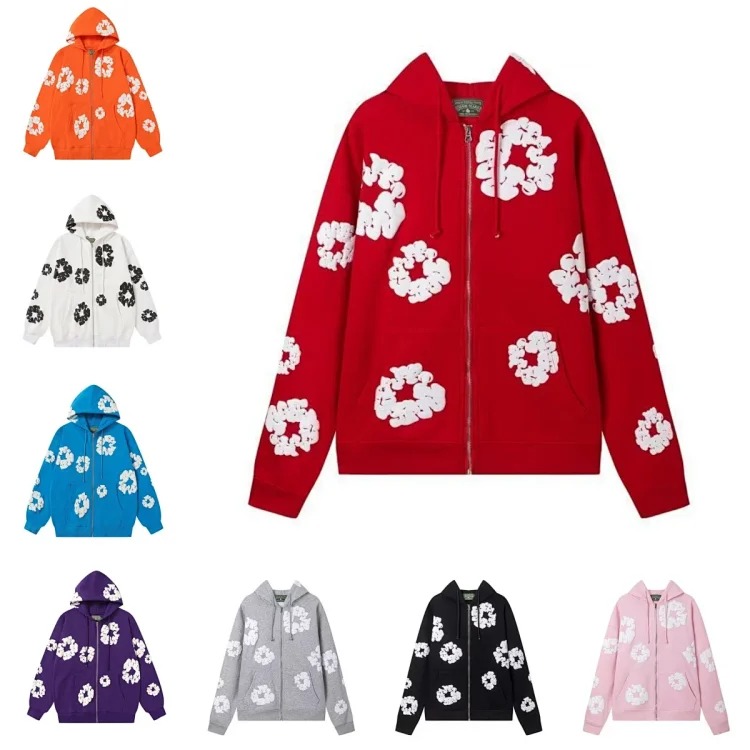
Trendy simple and versatile hoodie 34
View this product on Outfitreps →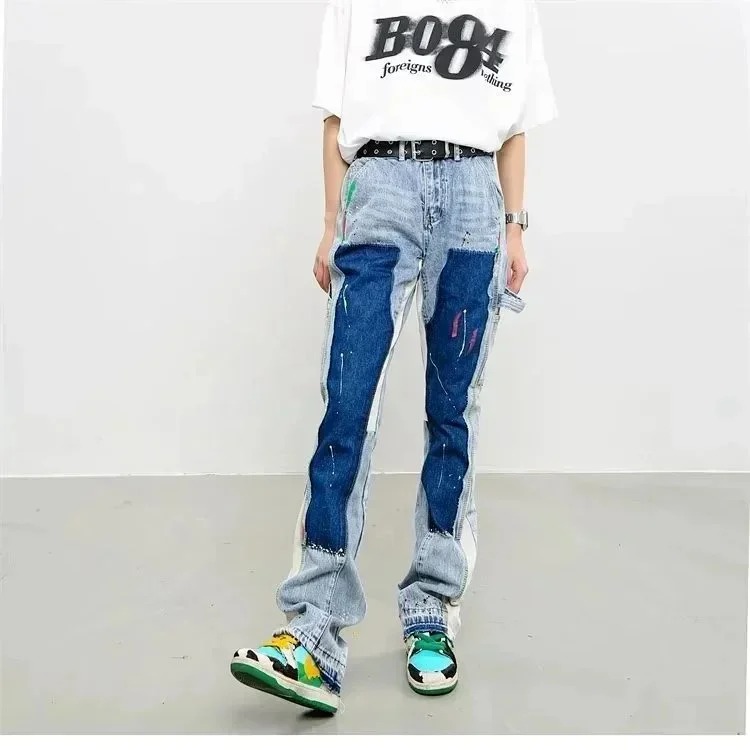
Self-operated 20250328
View this product on Outfitreps →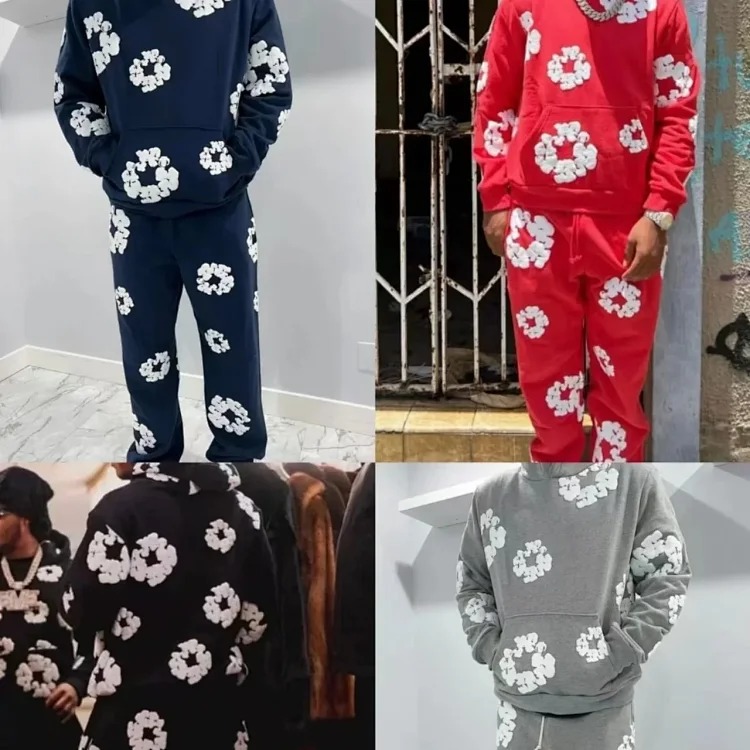
Casual DTJacket/Jeans'DGBatch'
View this product on Outfitreps →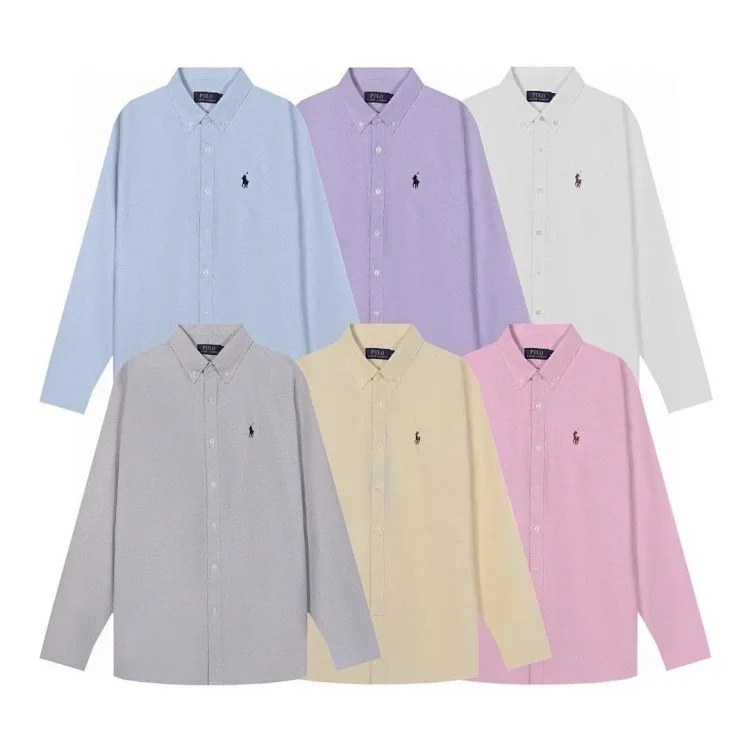
Shirt jacket Ralph Lauren
View this product on Outfitreps →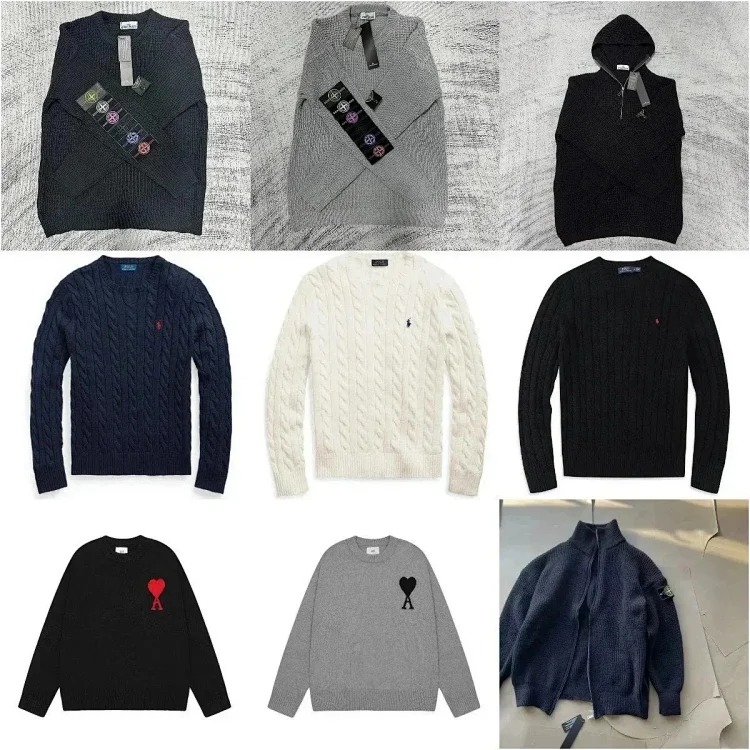
Autumn and winter fashionable versatile sweaters and sweaters 07HW
View this product on Outfitreps →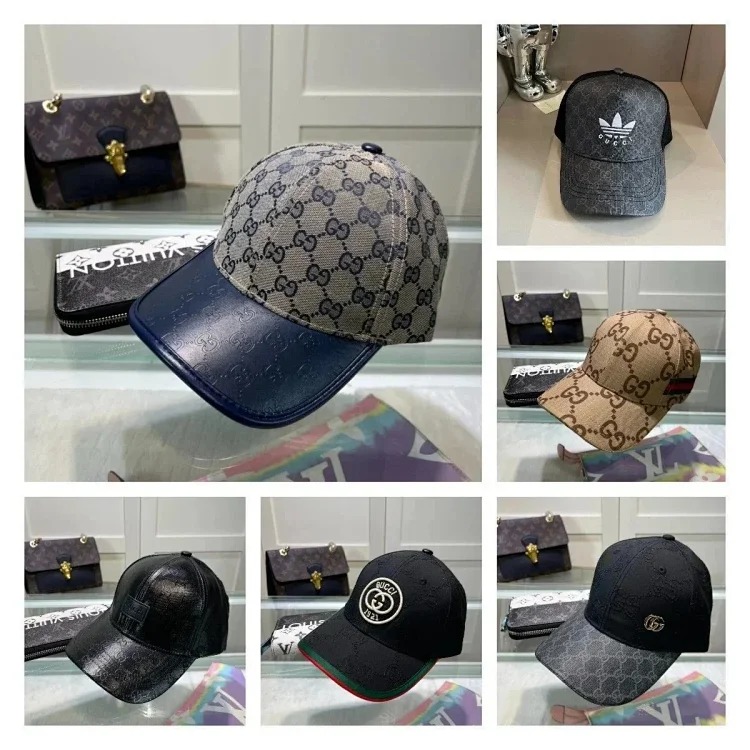
Fashionable and versatile trendy baseball cap 017 spreadsheet.help
View this product on Outfitreps →