
Start Joyagoo hoodie research with the link, not the thumbnail
Good Joyagoo hoodie finds begin with a simple question: does the saved product link still lead to the same item shown in the directory? A thumbnail can remain visible after a listing changes, moves, or disappears, so treat the detail page as the primary record. Open the product page and compare its title, category, main image, available variants, and any visible seller notes with the card you originally saved. If the page redirects to a category, returns an error, or displays a different garment, remove it from the active shortlist until you find a current replacement.
Record the direct URL rather than a search result or temporary tracking address. A useful research note includes the date checked, product title, color of interest, intended size, and the reason the hoodie made the shortlist. This record is especially helpful when several hoodies look similar. It also prevents a moved or recycled listing from being mistaken for the original product weeks later. Never assume that an old screenshot proves current availability.
Read the title carefully, but do not rely on the title alone. Sellers may use short, translated, or generic names. The product photos should confirm the garment type, closure, collar, pocket layout, hem, cuff construction, and visible fabric character. A half-zip sweatshirt, full-zip hoodie, pullover hoodie, and knit top can require different fit decisions even when titles use overlapping words. Keep uncertain items in a separate research column instead of treating incomplete information as confirmed.
Compare construction details before comparing style
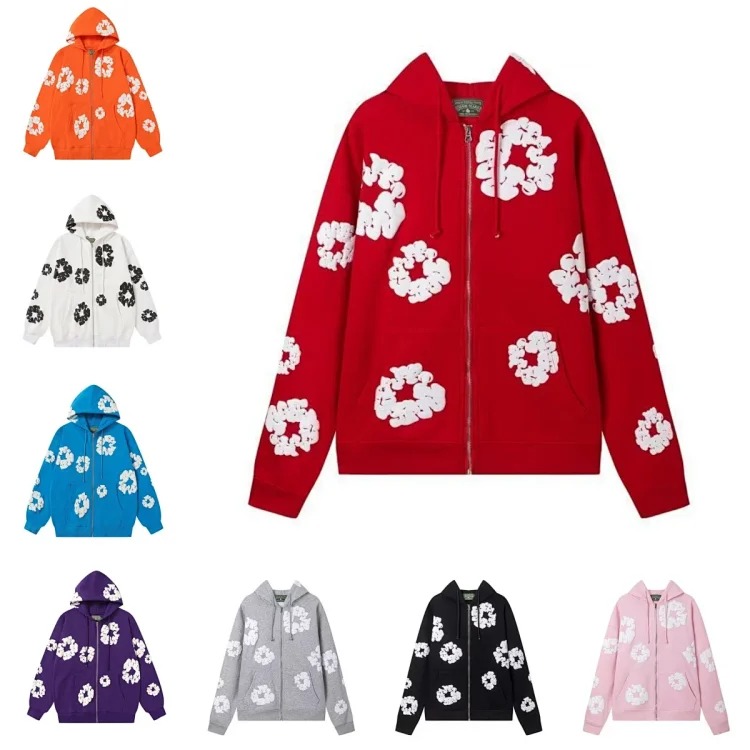
Once a link is current, examine construction details in a consistent order. Start at the hood: look for the number of panels, depth around the face, drawcord placement, lining, and how the hood rests when it is down. Then review the shoulders, sleeve seams, cuff depth, pocket shape, waistband, zipper or placket, and visible stitching. These features influence comfort and silhouette more reliably than a staged front photo.
Fabric behavior matters as much as design. A dense fleece body may hold a boxy shape, while a lighter loopback or jersey fabric may drape closer to the torso. Product images cannot provide an exact fabric weight unless a reliable specification is shown, but folds, edge thickness, and the way the garment hangs can provide clues. Treat those clues as observations rather than guarantees. If the material description is vague, mark fabric weight and interior finish as questions for warehouse QC.
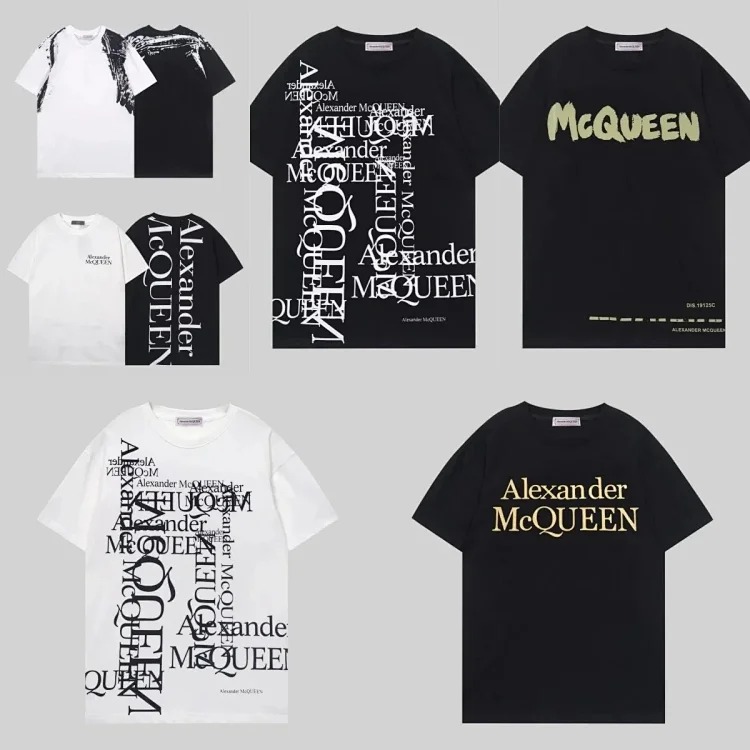
Use the surrounding products in this guide as comparison references, not as a claim that every item belongs in one outfit. A T-shirt can help you think about under-layer length, pants can reveal the lower-body volume needed to balance an oversized hoodie, and a jacket can show whether the hoodie must fit beneath another layer. Shoes, a cap, or a bag help test proportion, but the hoodie should still satisfy its own measurements and construction requirements before styling becomes the deciding factor.
Build a measurement-based sizing check
Size letters are not a dependable comparison across different listings. Before choosing a variant, measure a hoodie you already own and like. Lay it flat without stretching it. Record chest width from armpit to armpit, shoulder width when the seam is defined, body length from the high shoulder point, sleeve length using the same start point as the seller chart, cuff opening, and hem width. Note whether your reference garment is fitted, regular, or intentionally oversized.
Compare garment measurements with garment measurements, not body measurements, unless the listing clearly labels its chart. A flat chest width usually needs to be doubled for approximate circumference. Shoulder and sleeve measurements may also be combined differently on raglan, drop-shoulder, or set-in sleeve designs. When the chart is ambiguous, ask for clarification rather than silently converting the numbers. Allow for a small measurement tolerance, but do not use tolerance to explain a large mismatch.
Think about the intended layer underneath. A hoodie worn over a thin T-shirt needs less room than one worn over a thermal top or shirt. Also consider body length when sitting, sleeve stacking at the wrist, and whether a tight hem will pull the garment upward. If you are between two options, compare the actual measurement differences and decide which trade-off is easier to accept. Choosing the larger label automatically can create excessive shoulder drop or sleeve length without solving a narrow hem.
- Save the exact size chart used for the decision because listings can change.
- Write the selected color and size next to the direct product URL.
- Keep your reference-garment measurements in the same units as the listing.
- Flag any missing dimension that could materially change the fit.
Use warehouse QC photos as a second verification step
Warehouse photos should confirm that the received item matches the researched page and selected variant. Begin with a full front and back view. Check the hoodie color, closure, pocket configuration, hood shape, graphic placement, label position, and major seams. Then inspect close views of cuffs, hem, zipper, drawcord hardware, embroidery, print edges, and any area where listing images suggested a particular detail.
Request measurement evidence for the dimensions that drove your size choice. A tape placed across the chest, along the body length, or down the sleeve is more useful than a general photo when fit is the main risk. Make sure the tape begins and ends at the same points used in your reference measurement. If a result differs materially from the listing or your plan, pause the workflow and clarify the discrepancy before parcel submission.
QC is also the point to check visible condition. Look for stains, holes, uneven seams, damaged hardware, obvious print faults, mismatched panels, or the wrong variant. Lighting can shift color, and folded garments can create temporary creases, so separate photographic uncertainty from a visible defect. Ask for one targeted image when necessary instead of requesting many unfocused photos. The goal is to resolve a specific decision, not to create an unlimited photo archive.
Review the agent route, parcel, and shipping notes
A product link identifies an item, but it does not by itself define the buying route. Before using an agent workflow, confirm that the service currently supports the source page and that product information transfers correctly. Review the imported title, image, variant, quantity, domestic delivery information, and any seller note displayed by the agent. If the imported page is incomplete, use the direct URL and a clear written variant note rather than guessing.
Keep costs and timing as live variables. Product availability, domestic handling, service charges, route rules, and international shipping conditions can change. Do not treat an old guide, screenshot, or previous parcel as a guarantee for a new order. Wait for the warehouse record and measured or estimated parcel information before choosing a route. A thick hoodie can occupy more volume than its scale weight suggests, particularly when the hood and fleece cannot be compressed much.
When planning a parcel, consider the total mix of garments rather than evaluating the hoodie alone. Heavy outerwear, shoes, boxes, or accessories can change route eligibility and packaging choices. Review prohibited-item rules, size limits, volumetric calculation methods, tracking options, insurance or declaration features where offered, and the service's current terms. If optional packaging changes are available, decide whether removing retail packaging would actually help without exposing the garment to unnecessary risk.
Finish with a written pre-submission checklist: correct direct link, selected color and size, acceptable QC photos, confirmed measurements, quantity, warehouse status, parcel contents, route restrictions, declaration information, and destination address. Save current details for your records. A disciplined final check is more valuable than rushing because a listing appears popular. It turns a collection of Joyagoo links into a transparent research process that can be repeated when products move or new hoodie options appear.
Current product links to review
These Outfitreps examples are live references. Recheck product details, variants, measurements, and availability before making a decision.
Trendy simple and versatile hoodie 34
View this product on Outfitreps →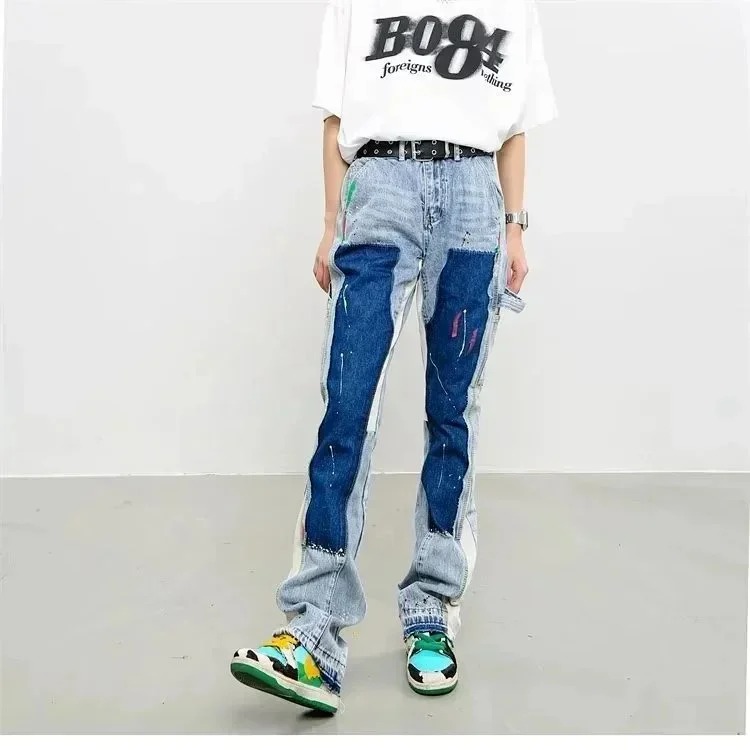
Self-operated 20250328
View this product on Outfitreps →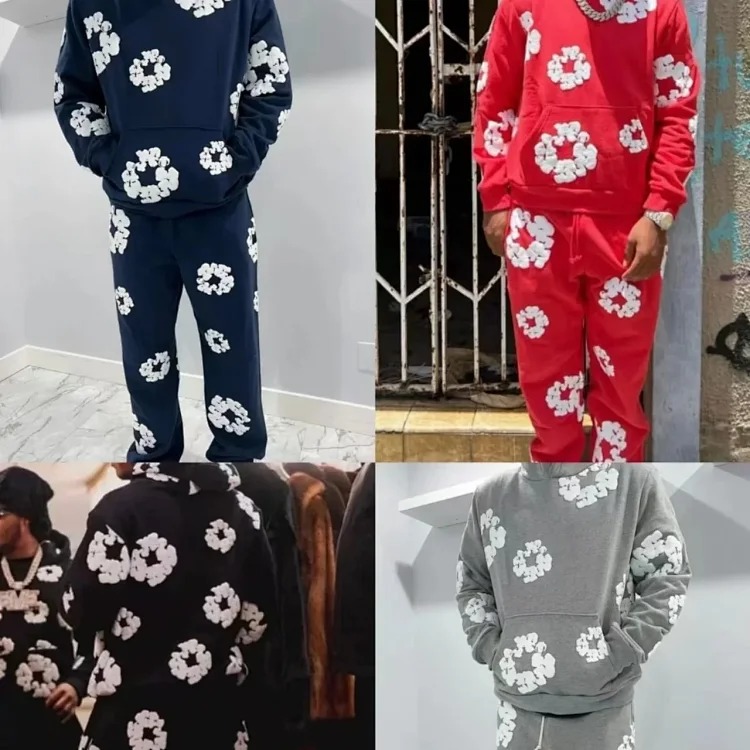
Casual DTJacket/Jeans'DGBatch'
View this product on Outfitreps →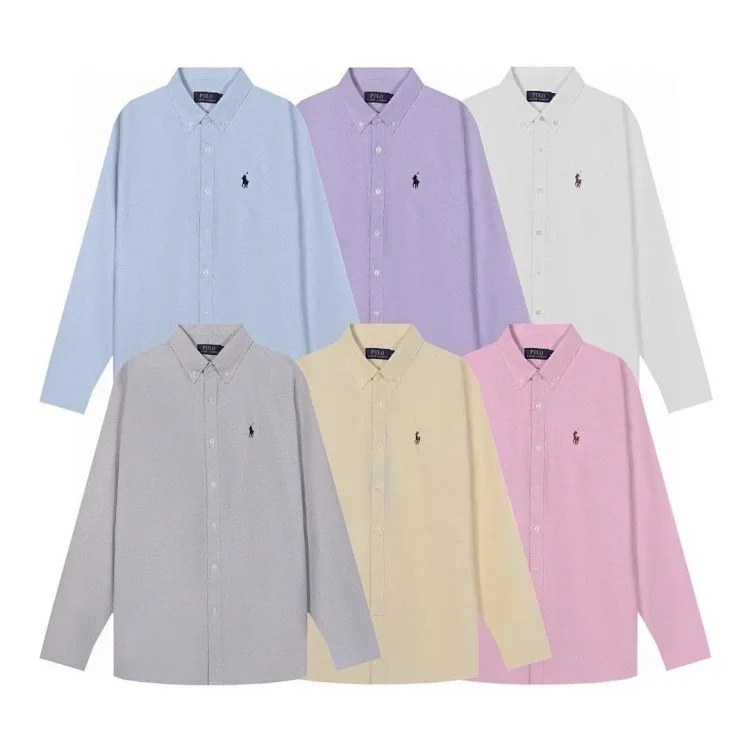
Shirt jacket Ralph Lauren
View this product on Outfitreps →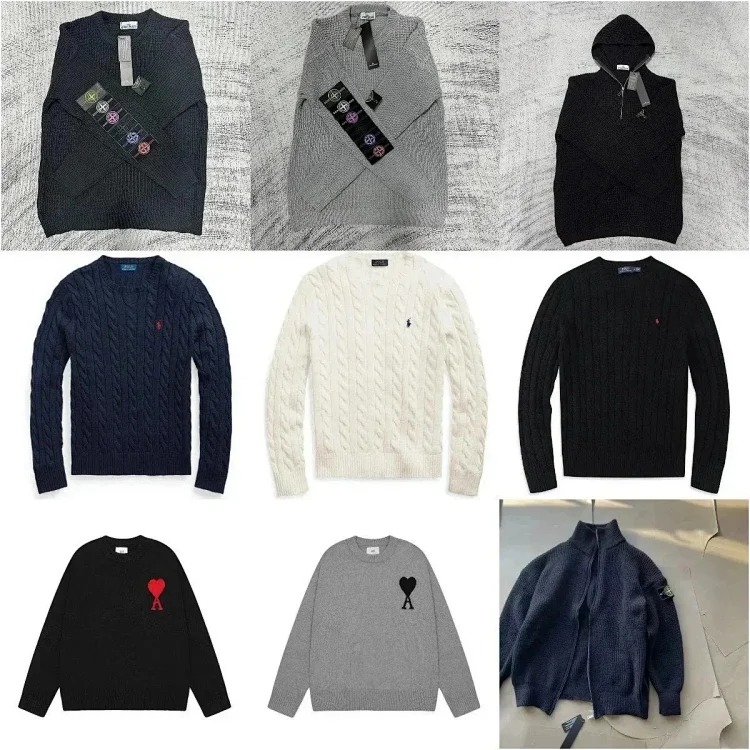
Autumn and winter fashionable versatile sweaters and sweaters 07HW
View this product on Outfitreps →
Fashionable and versatile trendy baseball cap 017 spreadsheet.help
View this product on Outfitreps →